
Fine Art Photography Prints: Elevate Your Home Decor
Key Takeaways
- Fine art photography prints differ from posters through archival papers, pigment inks, and professional print methods that improve look and longevity;
- Choosing the right print depends on subject, size, finish, and how it fits your room’s light, color palette, and style;
- Thoughtful framing, layout, and care make photography prints look gallery ready and help them last longer;
- Mixtiles offers a fast, renter friendly way to get a fine art look, with adhesive, repositionable photo tiles ordered via app or website.
Fine art photography prints bring museum level storytelling into everyday spaces. Whether you collect limited editions, shop new open editions, or elevate your own images, the right materials, finishes, and display choices matter. In this guide, you will discover what fine art photography really means, how to select pieces for your home or home office, how to frame and care for prints, and how Mixtiles makes a modern, gallery look simple with adhesive tiles and canvas art prints you can arrange without tools.
Ready to create a fine art inspired look with zero damage? Start with our adhesive photo tiles. Just upload your photos, pick a style, then stick and restick them without any nails.
What are fine art photography prints (and how are they different from posters)?
Fine art photography prints are produced to archival standards: premium papers, pigment inks, and controlled processes that protect color, black and white tonality, and detail. Posters often use thin paper and dye inks, so they fade faster and lack the tactile depth you expect from a fine art print.
Materials and inks that define “fine art”
Archival cotton or alpha cellulose papers paired with pigment inks create rich color and deep blacks with excellent fade resistance. Paper texture influences the mood: smooth matte papers emphasize detail and subtle tones, while textured options add a tactile, art print feel that complements landscapes, nature, and abstract photography.
Common print methods you will see
Several professional processes are common in art photography. Here is a quick comparison to help you evaluate quality and fit for your wall art collection:
|
Method |
Look |
Longevity |
Typical Use |
|---|---|---|---|
|
Giclée inkjet on archival paper |
High detail, smooth gradients, matte or textured surface |
Excellent with pigment inks |
Color or black and white fine art prints at gallery quality |
|
Silver gelatin (darkroom) |
Deep blacks, classic black and white character |
Exceptional when properly processed |
Monochrome edition fine art work |
|
Digital C-type |
Satin to glossy, luminous color |
Very good with correct display |
Modern color photography prints for galleries |
Open vs. limited editions
Open editions have unlimited runs and approachable prices. Limited editions cap the number of prints at a specific size, often include an artist signature and certificate of authenticity, and typically command higher prices due to scarcity.
How do you choose the right fine art photography prints for your space?
Start with mood and subject, then confirm size, aspect ratio, and finish that suit your room and lighting. The best art print complements your color palette and adds balance over furniture without overpowering the wall.
Match subject and style to your room
Choose landscapes and nature for calm in the living room or bedroom, abstracts for energy in a modern space, and portraits for conversation zones. Black and white offers timeless simplicity. Rich color suits a bright gallery wall, a beach collection, or a playful home office.
Size, aspect ratio, and viewing distance
As a rule, art above a sofa should be about two thirds the sofa width. Tall spaces welcome vertical prints. Square formats create rhythm when gridded, while panoramic landscapes feel expansive over long furniture runs.
Finish and surface choices
Matte controls glare in bright rooms and emphasizes detail. Glossy or satin can boost color pop in controlled light. Textured matte papers add a fine art print presence that reads beautifully in person.
How much do fine art photography prints cost, and why?
Prices vary widely by edition size, materials, and the artist’s reputation. Expect to pay more for larger works, premium papers, museum framing, and insured shipping.
What drives price
Limited editions increase value due to scarcity. Archival papers, pigment inks, and complex methods raise production costs, especially at large sizes. Professional framing with UV glazing protects color and can be worth the upgrade.
Setting a realistic budget
Open editions are ideal for starting a collection and exploring new styles. For investment minded collectors, choose a fine art print you love at a size that fits your wall, then build over time with coordinated photography prints.
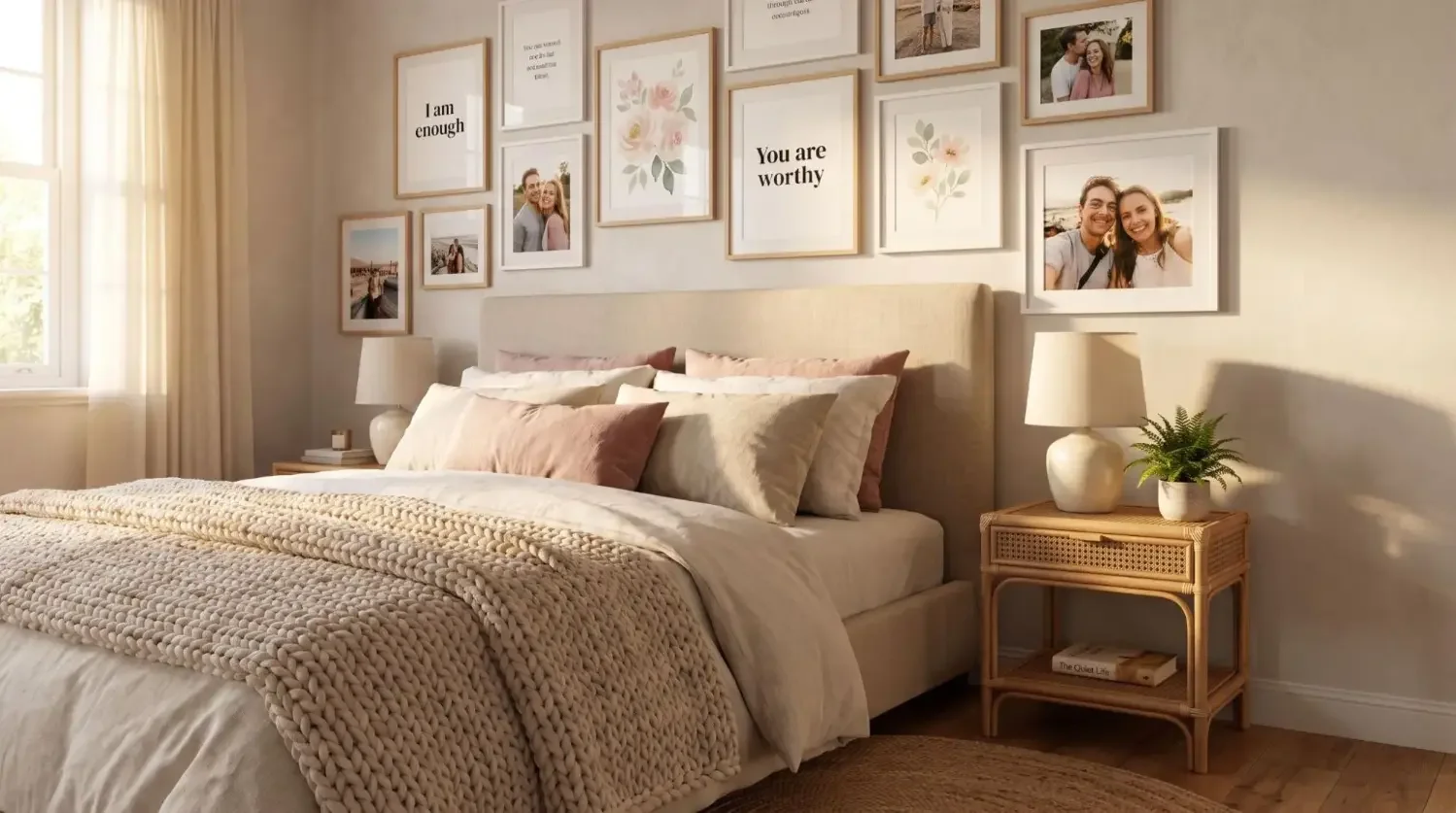
Design a museum worthy picture wall in minutes. Explore our collection of wall arts, upload your photos, and hang a full gallery without any tools.
How should you frame, hang, and care for fine art photography prints?
Use clean profiles, archival mats, and UV protective glazing for longevity. Keep prints out of direct sun, and maintain consistent spacing so your gallery reads cohesive and fine.
Framing tips for a gallery look
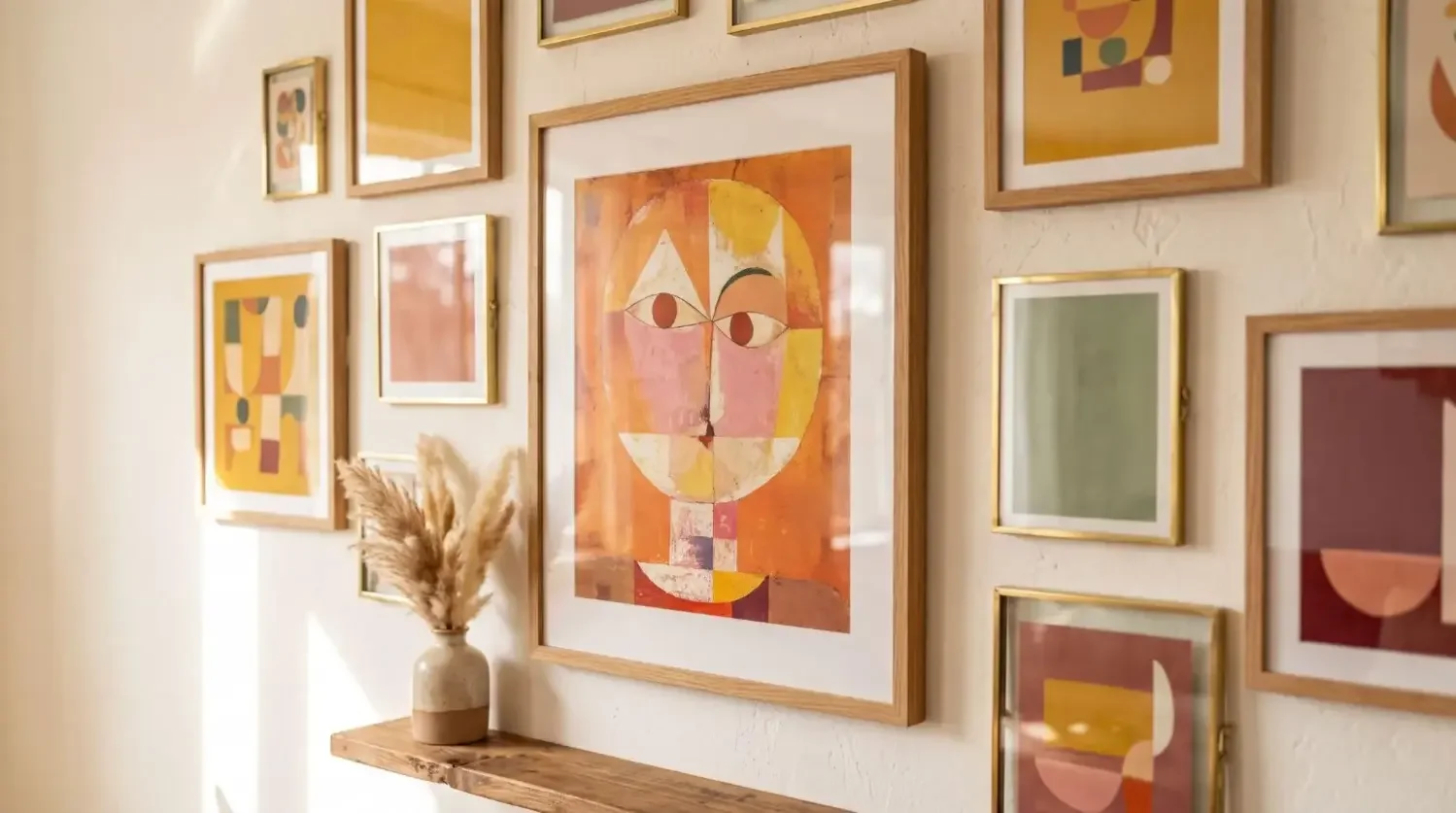
Simple black, white, or natural wood frames let the art shine. A mat adds breathing room around the image. For a crisp gallery wall, repeat the same frame color or width across your collection.
Hanging and layout ideas
Use these layout styles to make your wall art feel curated:

- Grid: Even rows and columns for a modern, ordered look;

- Salon: Mixed sizes arranged around a centerline for eclectic charm;

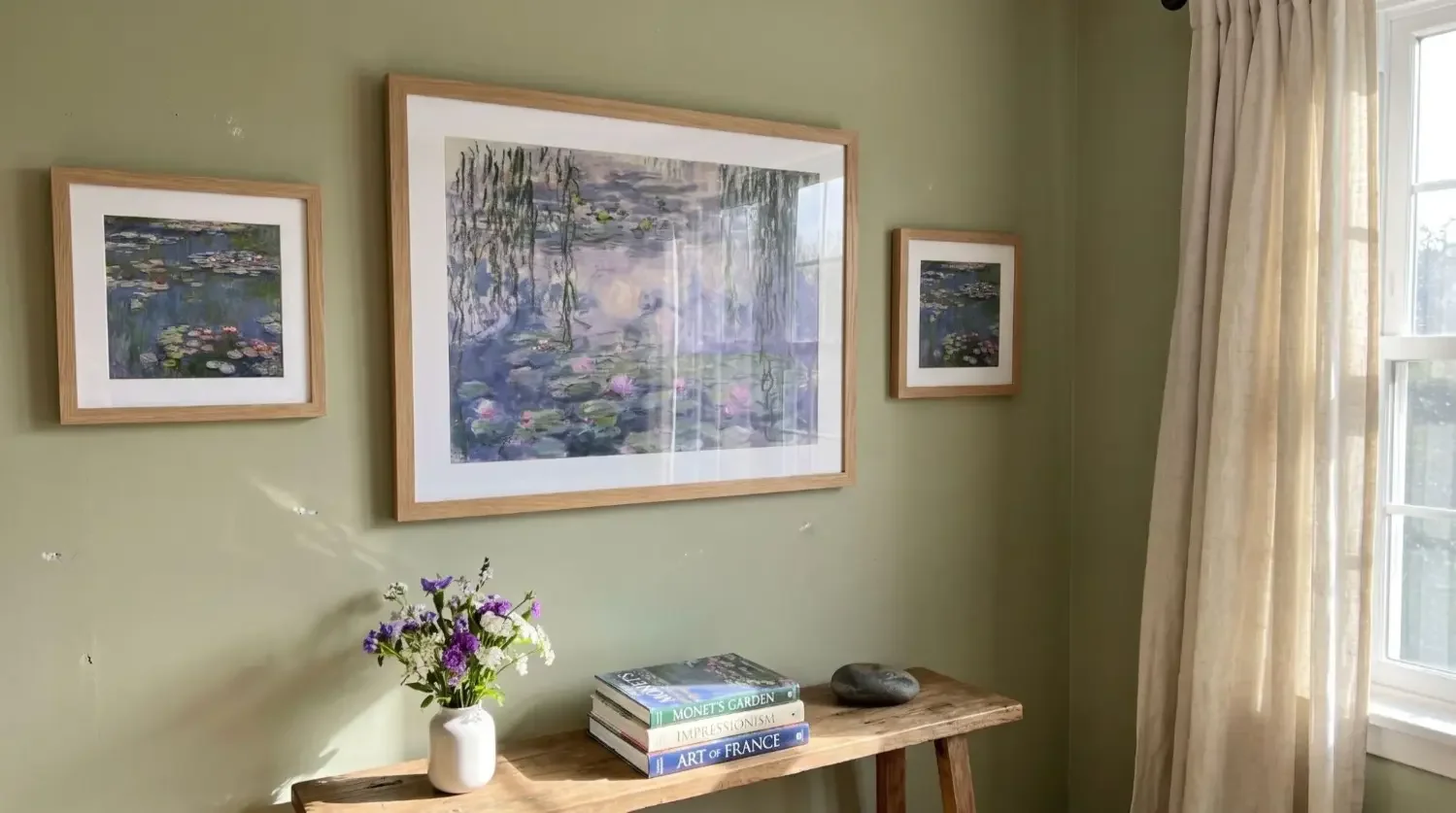
- Triptych: Three aligned prints that create one sweeping scene.
For placement and spacing specifics, see our guide on how to hang photo tiles.
Protection and care
Preserve your prints with simple habits:
- Avoid direct sunlight, high humidity, and heat vents;
- Dust frames with a dry, soft cloth, never with sprays;
- Handle unframed prints with cotton gloves to prevent smudges.
Can Mixtiles deliver a fine art aesthetic without the fuss?
Yes. Mixtiles turns your photos into wall ready art that sticks, resticks, and removes cleanly, perfect for renters and frequent refreshers. Mix tiles with framed fine art for a gallery feel.
Turn your photos into wall-ready art
Upload from phone or desktop, then choose framed, frameless, wide frame, or canvas. Tiles arrive lightweight and ready to place, so you can build a photography prints gallery in minutes. New to tiles? Start with our explainer on what photo tiles are, then follow the step-by-step on how to make photo tiles.
Damage-free display for renters and refresh lovers
The adhesive backing holds tight and removes cleanly. Rearrange as your style evolves, from nature to abstract to beach moments.
Mix and match with framed fine art
Pair Mixtiles grids beside a signed edition fine art print to balance scale and budget. Explore Gallery Wall Kits for templates, or add Photo Books on a console for a cohesive collection.
Fine art photography prints can transform a room when you match subject, size, and finish to your space, then frame and care for them thoughtfully. Whether you collect fine art prints or turn your own images into an art print, Mixtiles makes it simple to create a gallery level wall at home. You get design freedom, clean walls, and a look that feels curated and personal.
Bring a fine art vibe to your walls today. Turn your favorite photos into beautiful custom canvas prints with our easy to use app or website, shipped ready to hang.
Frequently Asked Questions
How can I tell if a fine art photography print is archival?
Look for 100 percent cotton or alpha cellulose, acid free, lignin free paper, pigment inks, and conservation framing. Check for ISO 9706 compliance, OBA disclosure, and longevity data from reputable labs. Documentation should state printer model, paper name, ink set, and edition details.
What resolution do I need to print my photo as a fine art print?
Aim for 300 PPI at the final print size, 240 PPI often suffices, and large pieces can look sharp at 150 to 200 PPI viewed from farther away. Export a high quality JPEG or 16 bit TIFF, embed sRGB or Adobe RGB, and apply output sharpening.
What does a limited edition mean, and why does it affect price?
A limited edition caps the number of prints at a specific size. Each piece is numbered and usually signed, often accompanied by a certificate of authenticity. Scarcity, clear provenance, and consistent production increase collectability, so limited editions typically command higher prices than open editions.
How should I frame and care for fine art photography prints?
Use archival mats, backing, and UV protective glazing, then keep prints out of direct sunlight. Target moderate temperature and 35 to 55 percent relative humidity. Dust with a soft dry cloth, avoid cleaners, and handle unframed prints with cotton gloves to prevent oils and abrasions.

Be the first to know — deals, news & decor ideas.
By clicking you agree to the Terms of Use & Privacy Policy